MEDIA STATEMENT 11 February 2026
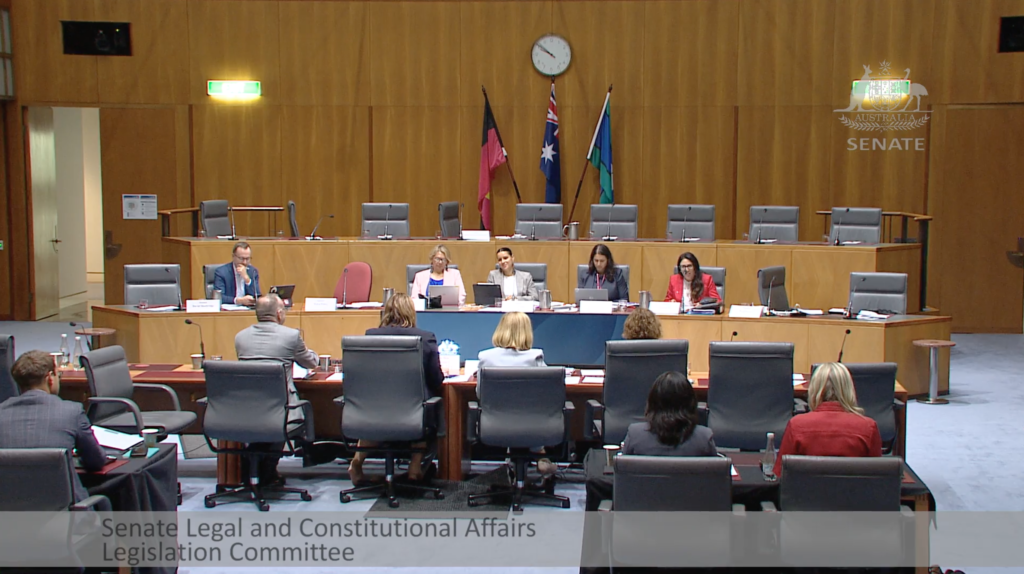
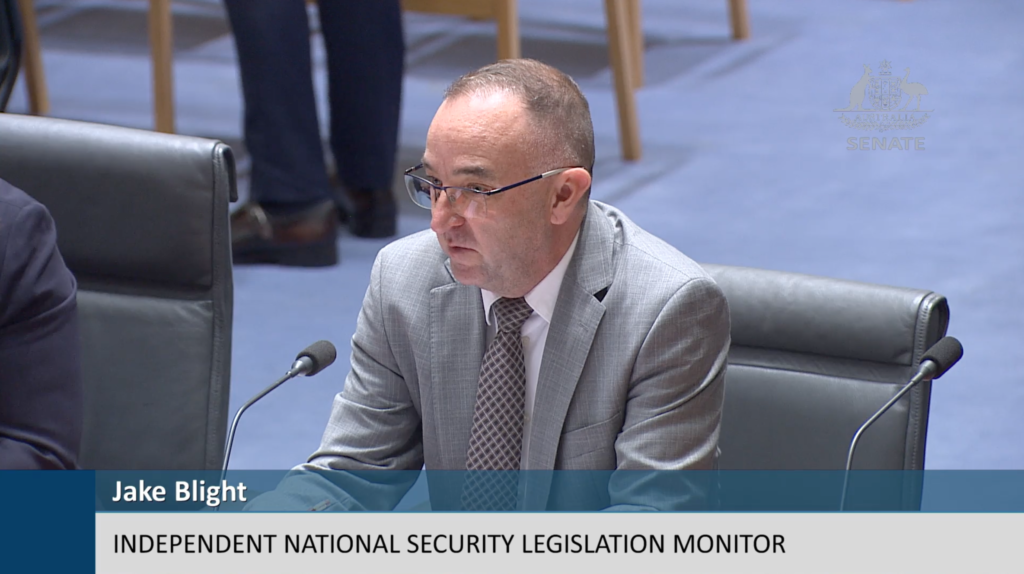
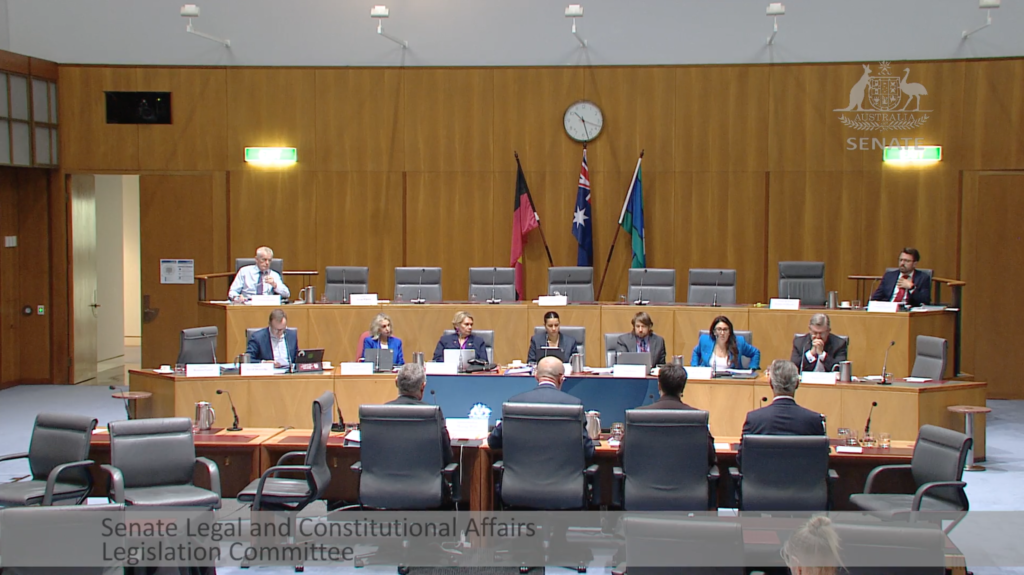
On Monday, the Independent National Security Legislation Monitor (INSLM) Jake Blight, appearing before Senate Estimates, dangerously opened the door to diluting the definition of ‘terrorist act’ under section 100.1 of the Criminal Code Act 1995 (Cth) by justifying the potential removal of religion as a motive.
The INSLM is currently conducting a review into the definition, including whether religion should be removed. During Estimates, the INSLM suggested that if ideology were more clearly defined, religion could be covered under that term, making the explicit inclusion of religion redundant. Blight suggested this more “neutral” approach as a means to equally account for other emerging forms of terrorism. Removal of religion was also pushed by the Special Envoy for Islamophobia on the following day of hearings.
This proposal is reckless, especially in the wake of the devastating Bondi Beach terrorist attack. The INSLM’s suggestion that religion could be subsumed under ideology fails to acknowledge the unique threat posed by religiously motivated terrorism and risks diluting Australia’s counter-terrorism efforts.
It is astounding that this idea is still being taken seriously, especially post-Bondi, when the country is grappling with the aftermath of the worst terrorist attack in Australian history, which was motivated by radical Islamic terrorism. The INSLM’s suggestion is both ill-timed and misguided.
This proposal is even more alarming given that, by the INSLM’s own admission, radical Islamic terrorism remains a significant part of the Australian Security Intelligence Organisation’s (ASIO) caseload.
In its submission to the review, ASIO pointed out that since 2014, Australia has experienced 16 terrorist attacks, 13 of which were religiously motivated, the majority of which were acts of radical Islamic terrorism. Additionally, 22 of the 28 disrupted terrorist plots in the same period were motivated by Islamist extremism. And that was all before Bondi even happened.
While it’s important that our counterterrorism framework addresses the full range of threats, religiously motivated terrorism is an acute, specific threat that requires focused interventions. Collapsing it into ‘ideology’ risks diverting resources away from faith-based interventions and tailored approaches aimed at countering religious extremism.
Terrorism driven by religious ideology is not simply a variant of other ideological threats; it requires a specialised, nuanced approach. This form of terrorism is especially dangerous because it transcends ideology, going into a person’s beliefs about their very existence.
ASIO also noted in its submission to INSLM that any change to the terrorism definition could inadvertently limit its operational capacity or stretch resources beyond sustainable levels, saying, “Where these offences rely on the definition of a ‘terrorist act’ in section 100.1, any change to this definition could pose unintentional restrictions on ASIO. Alternatively, any changes that broaden the definition could unintentionally stretch the Organisation’s resources beyond our capacity”.
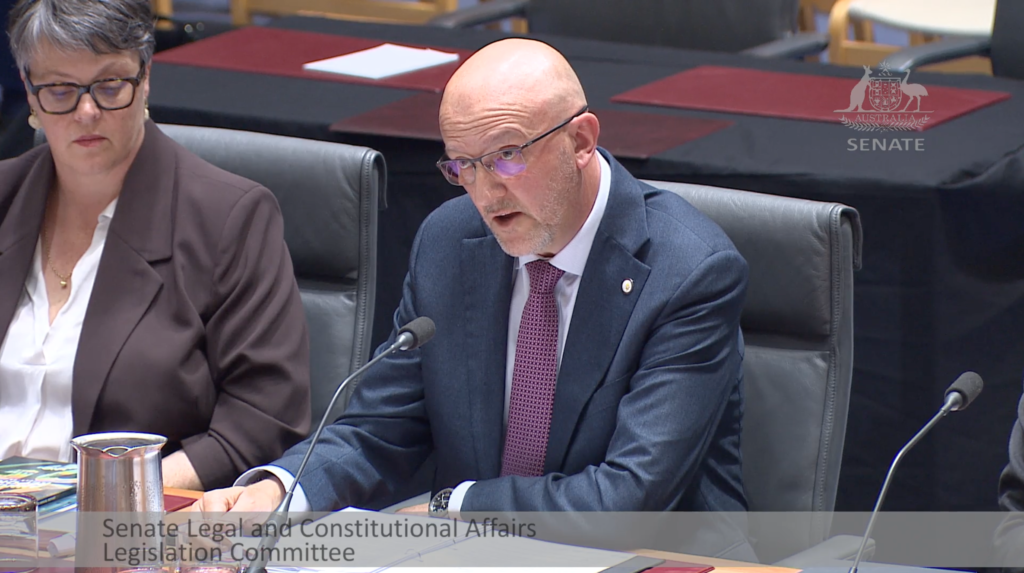
Additionally, in Estimates on Tuesday, ASIO Director-General Mike Burgess indicated that ASIO did not believe religion should be removed from the definition.
With the national terrorism threat level at ‘probable’, now is not the time to be entertaining reforms that hamstring our intelligence agencies.
Key Jewish stakeholders such as the Executive Council of Australian Jewry and the Special Envoy for Combatting Antisemitism have also strongly objected to removing religion as a motive. These voices are critical, particularly given the connection between radical Islamic extremism and rising antisemitism, as tragically demonstrated in the Bondi terrorist attack.
This proposal represents a dangerous and regressive step backward in our efforts to combat terrorism and safeguard the Australian people. I call on the Albanese Government to clarify that, should such a recommendation be made by the INSLM, it will not be accepted under any circumstances.
[ENDS]
Media Contact: Brendan West – 0402 556 646 – Brendan.west@aph.gov.au