HALF A MILLION AUSTRALIANS MISSING OUT ON MENTAL HEALTH SUPPORT AS PARLIAMENTARIANS GATHER AHEAD OF NATIONAL AGREEMENT NEGOTIATIONS.
Media Release | Monday 23 March 2026
Nearly 500,000 Australians living with moderate to severe mental illness are currently missing out on the support they need, as governments negotiate the next National Mental Health and Suicide Prevention Agreement, a framework that will shape Australia’s mental health system for years to come.
At a time of rising cost of living pressures and broader global uncertainty, access to community-based mental health support nationwide is essential to stability, recovery and social connection. Psychosocial services help prevent crisis, promote recovery, reduce avoidable hospitalisations and strengthen community belonging.
The Mental Illness Fellowship of Australia (MIFA) cautions that if the next Agreement is negotiated within existing institutional arrangements, without structural reform to how decisions are made, Australia risks reproducing fragmentation and crisis-driven care rather than building a system fit for purpose.
Parliamentary Event Highlights Reform Moment
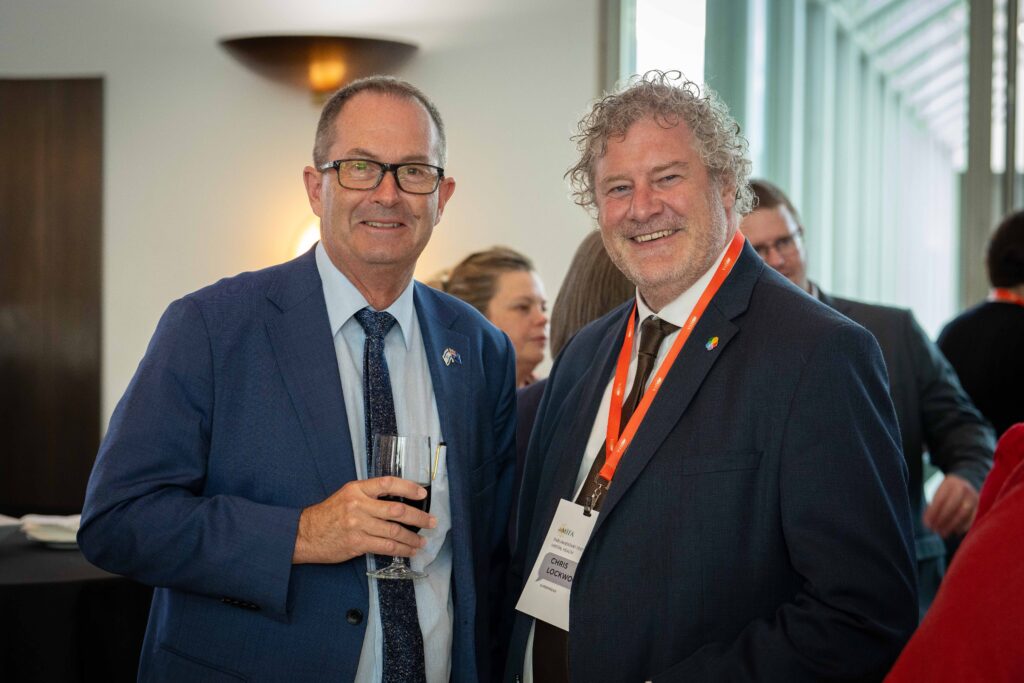
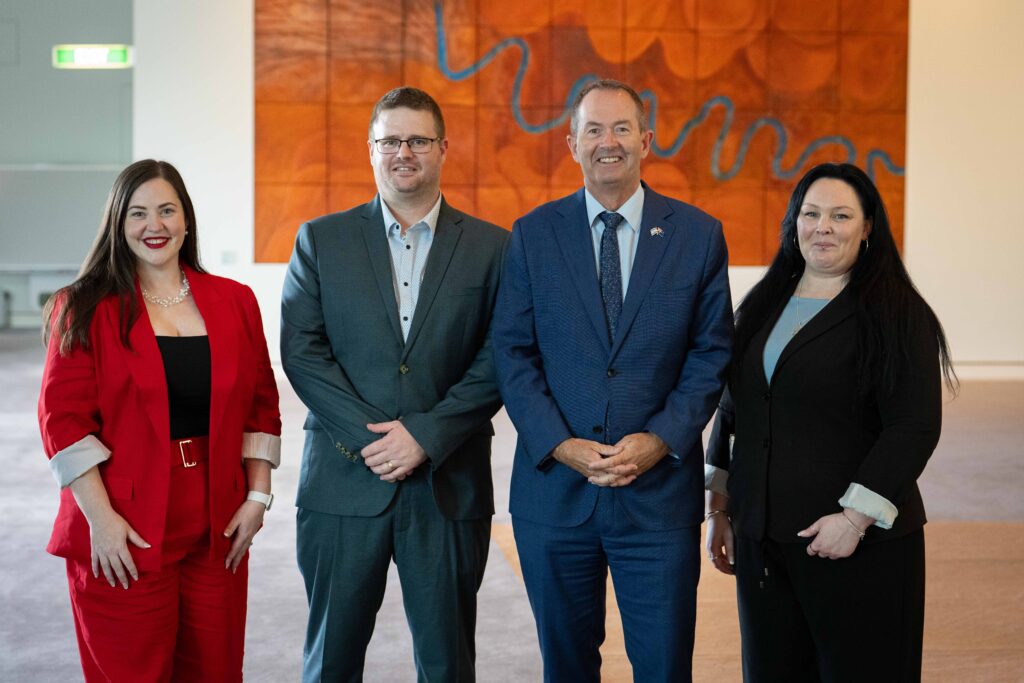
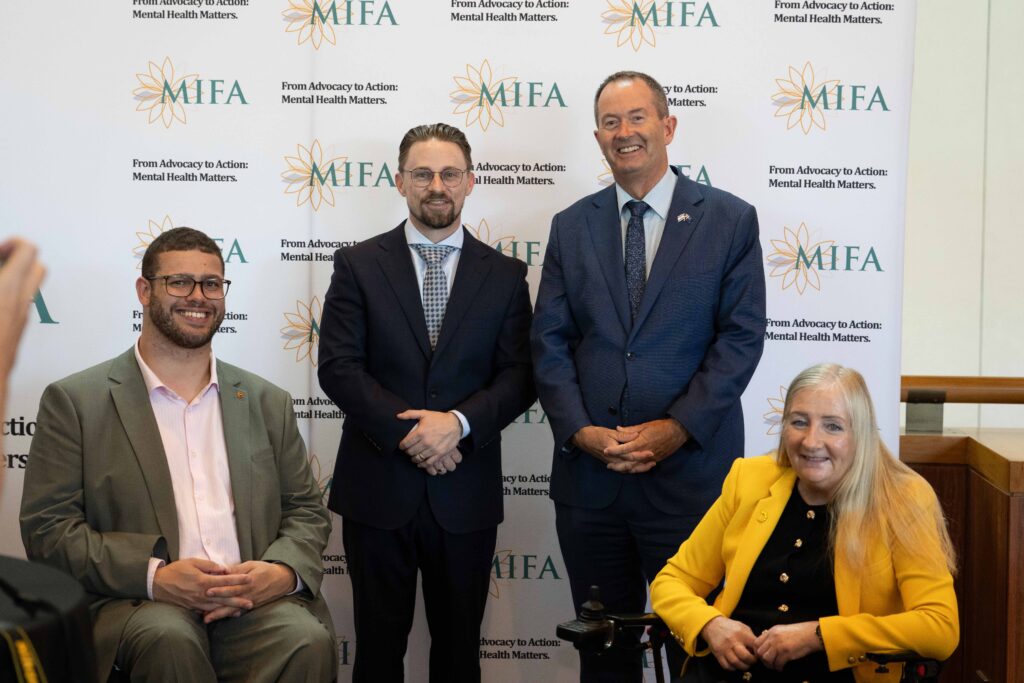
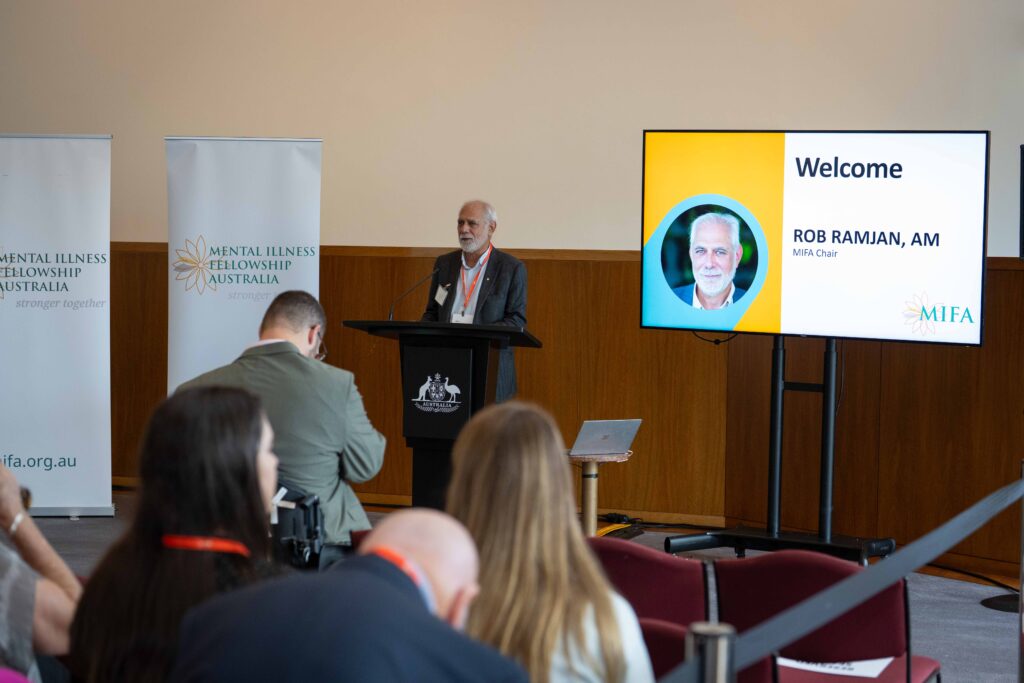
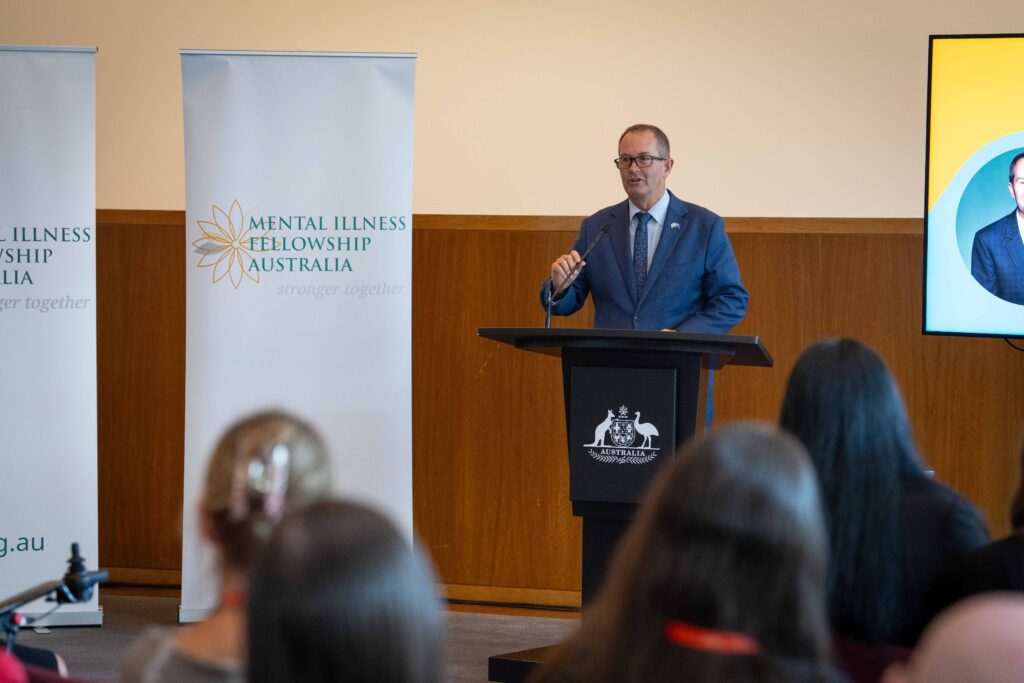
Ahead of Wednesday’s Parliamentary Friends of Mental Health reception at Parliament House, hosted by MIFA in partnership with co-convenors Andrew Wallace MP, Tracey Roberts MP and Senator Jordon Steele-John, parliamentarians, policymakers, people with lived experience and community leaders will come together to discuss how reform can move from principle to practice.
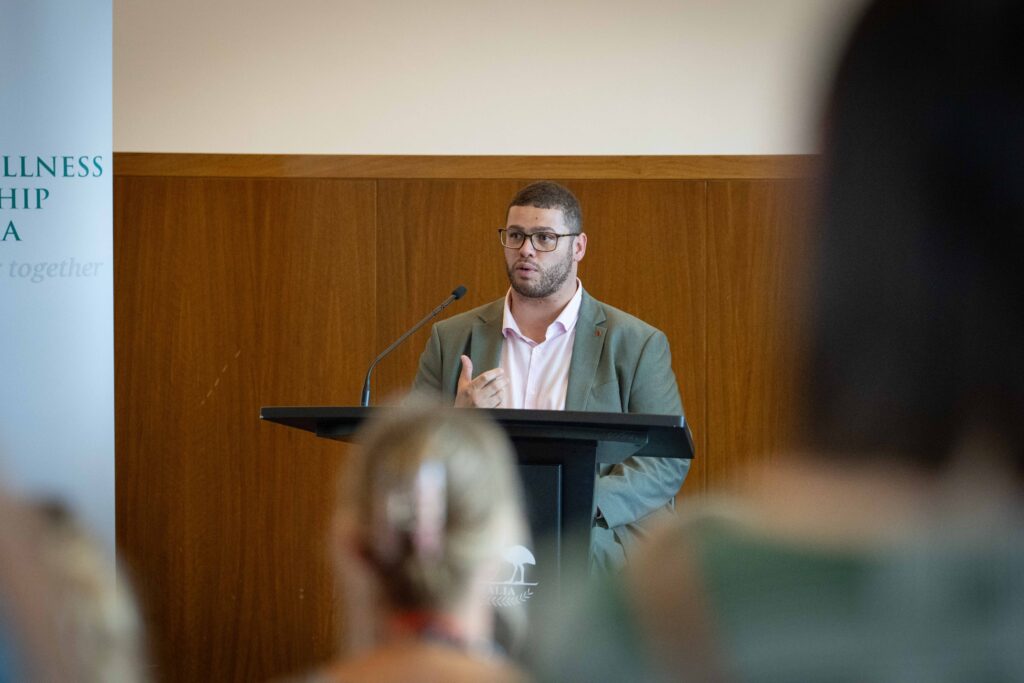
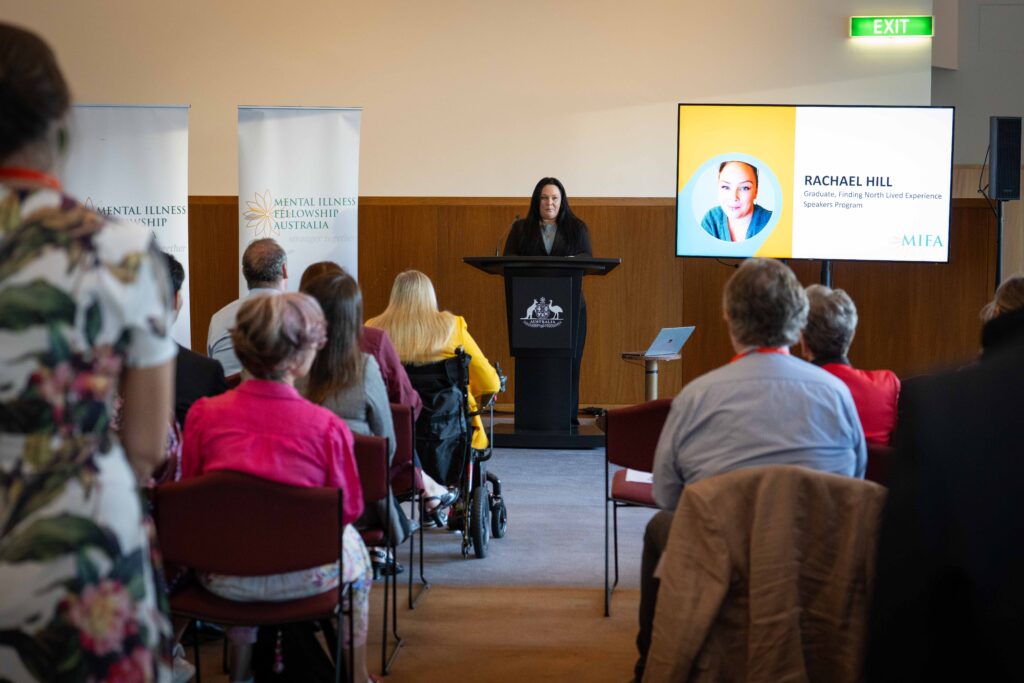
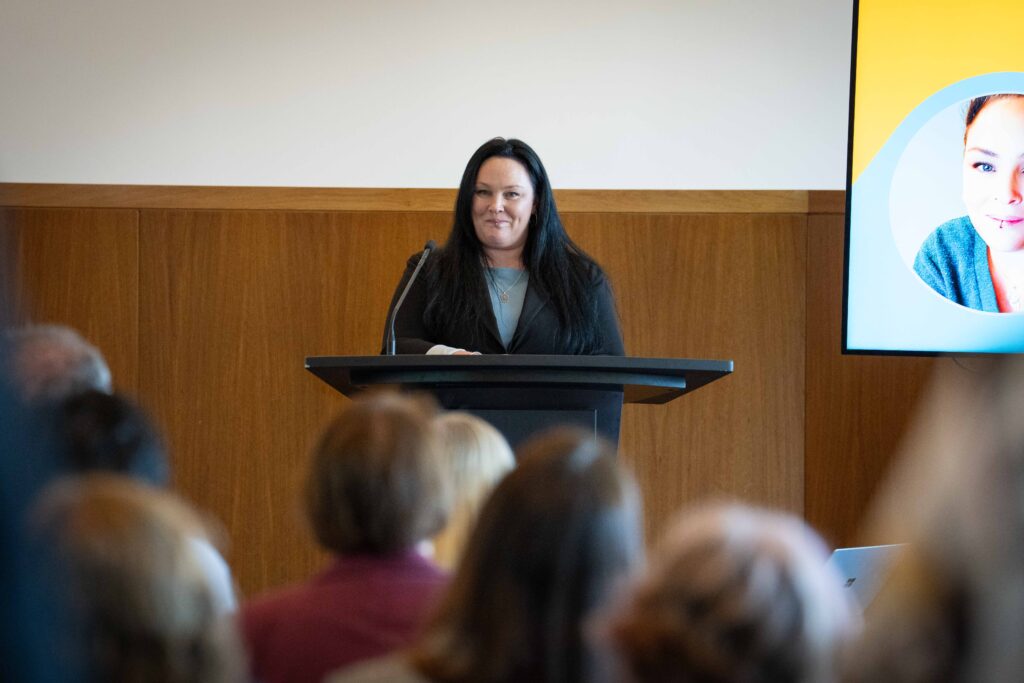
The reception, titled What Changes When Leaders Listen, will feature conversations between survivor and advocate Rachael Hill and Cameron Thayer, Chief Executive Officer of community mental health organisation Karakan, focusing on how genuine partnership with lived experience and community-managed service delivery can improve recovery outcomes and reduce preventable hospital use.
MIFA Chief Executive Officer Statement
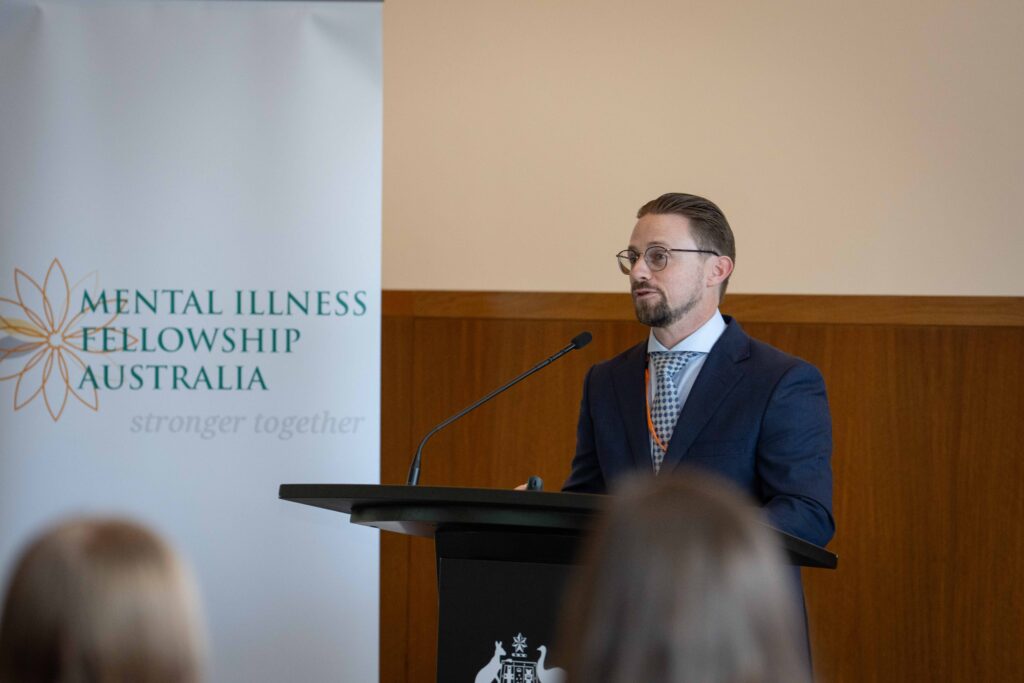
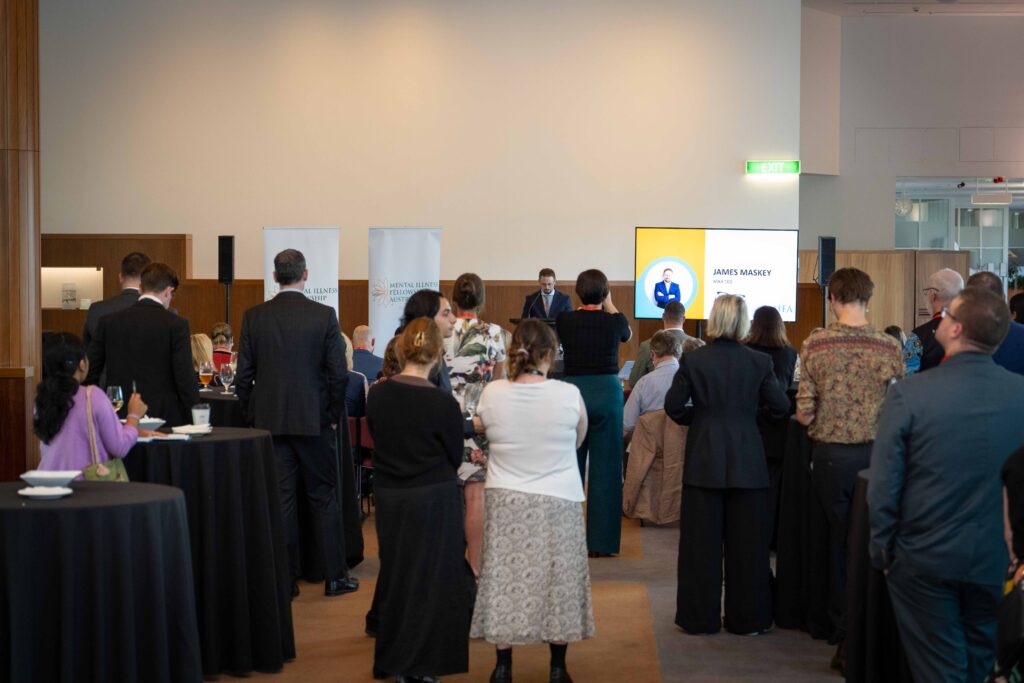
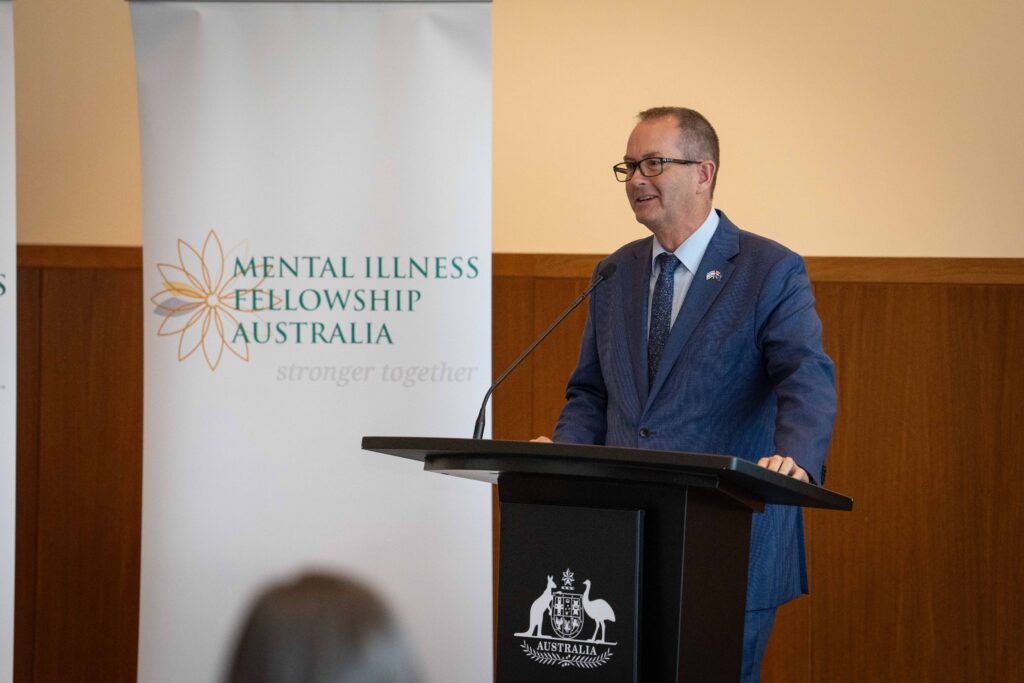
MIFA Chief Executive Officer James Maskey said the reform window is critical.
“Right now, half a million Australians who need psychosocial support cannot access it,” Mr Maskey said. “These supports are often the difference between stability and crisis. They keep people well, connected to their communities, and out of hospital.”
Mr Maskey said reform must move beyond continuity and toward structural change. “If the next National Agreement is negotiated without genuine co-design and shared decision-making with people with lived experience, carers and community providers, we risk rebuilding the system we already have instead of delivering the transformation Australians deserve.”
“This should not be viewed as a radical proposition. Shared responsibility and meaningful participation should be standard practice in national reform.”
“The greatest risk is not slow progress; it is progress confined to the same structures that produced today’s outcomes. Expanding participation is essential if we are serious about change.”
The Productivity Commission’s 2025 review found that the current Agreement, due to expire in mid-2026, contains fundamental flaws and is not driving progress towards a person-centred, integrated mental health and suicide prevention system. It confirmed that systemic shortfalls persist, with community services overstretched and people with complex needs consistently underserved.
MIFA is calling for reform that begins from strength, not scarcity, and recognises both lived expertise and the central role of community-based psychosocial services in preventing crisis and supporting recovery.
Parliamentary Friends of Mental Health Co-Convenors
Tracey Roberts MP, Co-Convenor and Member for Pearce, said:
“Lasting reform will depend on authentic listening that leads to action. People with lived experience, carers and community providers must have a genuine voice in shaping the system.”
Andrew Wallace MP, Co-Convenor and Member for Fisher, said:
“Too many Australians are falling through the cracks when it comes to mental health support, and that simply isn’t good enough. Psychosocial services play a vital role in keeping people connected, stable and out of crisis, yet right now many thousands of vulnerable people are missing out. Prevention is equally critical, because a system that only responds to crisis rather than investing in early intervention is one that is failing people long before they ever reach a breaking point. As we look to the next National Agreement, we must get this right by putting lived experience, frontline providers and community organisations at the centre of decision-making from day one. Real reform means building a system that works for people,not one that leaves them behind.”
Senator Jordon Steele-John, Co-Convenor and Senator for Western Australia, said:
“For too long, governments have made decisions about psychosocial supports without centring the experience of people who rely on them. The next Agreement must meaningfully improve access to life-saving psychosocial supports, which cannot be achieved without structural change, sustained investment, and true, authentic co-design with people with lived experience.”
MIFA Calls On Governments To:
• Provide immediate stabilising investment in FY26-27 to ensure psychosocial service continuity and workforce stability, while beginning to address the unmet needs of 500,000 Australians as reform progresses.
• Commit to fully resourced co-design in the development of the next National Mental Health and Suicide Prevention Agreement, with adequate time, investment, and authority, placing people with lived experience, carers, families, and community providers at the centre of reform.
[ENDS]
Media Contact: Brendan West – 0402 556 646 – Brendan.west@aph.gov.au